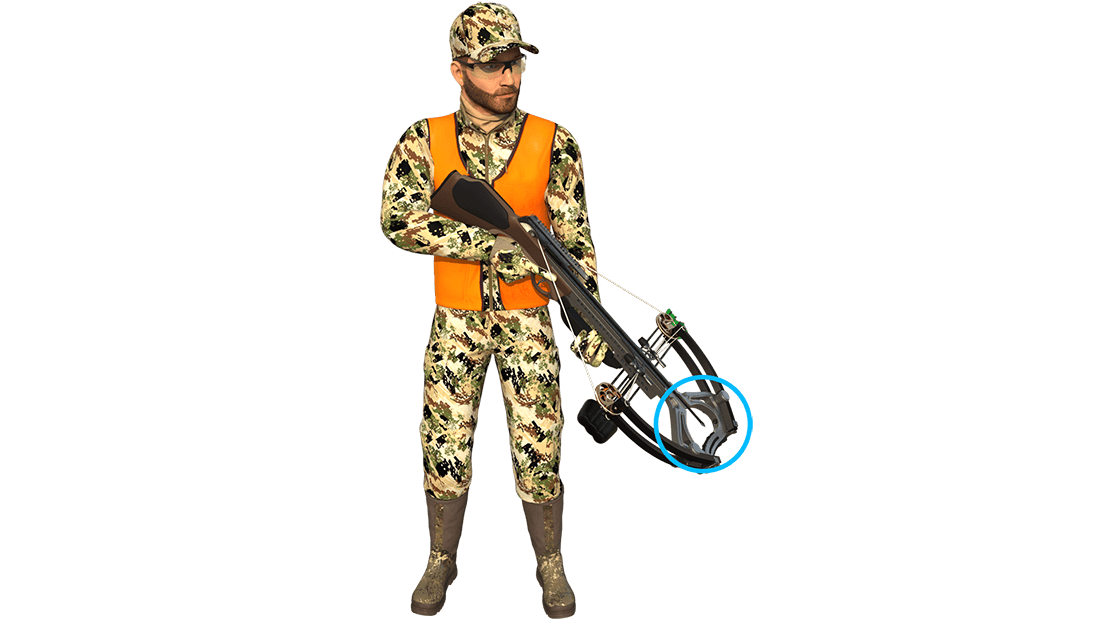
1. Only point the bow and arrow in a safe direction
Keep your bow and arrow pointed only in a safe direction—never toward people, animals, or property. Before drawing, scan the target, surroundings, and the area beyond. Maintain control, use proper backstop, and avoid distractions. If uncertain, lower the bow and rest the arrow until the range is confirmed safe again.
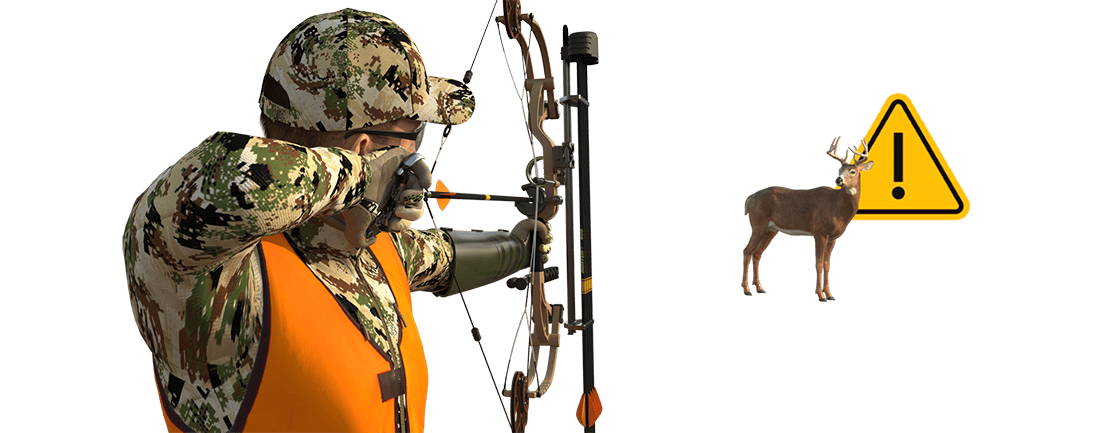
2. Be sure of your target and beyond
Always be certain of your target and what lies beyond it. Verify that the area behind the target is clear of people, animals, and obstacles. Confirm that no one will enter the zone during shooting. If unsure, do not shoot. Use visible backstops and communicate with others before releasing arrow.
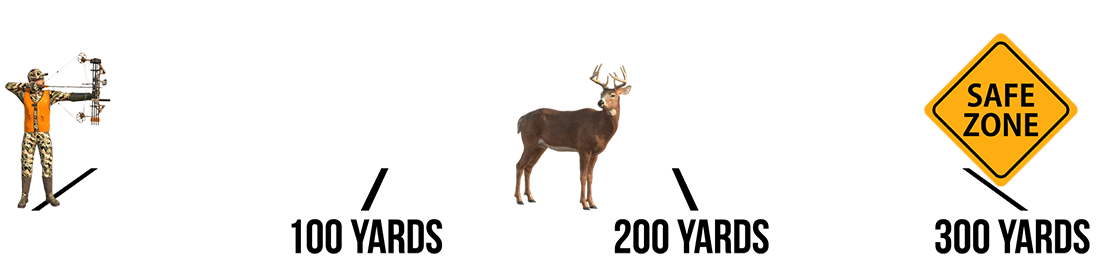
3. Only shoot when you have a safe range
Only shoot when you have a safe range. Confirm the firing zone is clear of people, animals, and property. Check the target and the area beyond for hazards. Secure a reliable backstop, communicate with others, and pause if unsure. Never rush—safety takes priority over every shot every time, no exceptions.
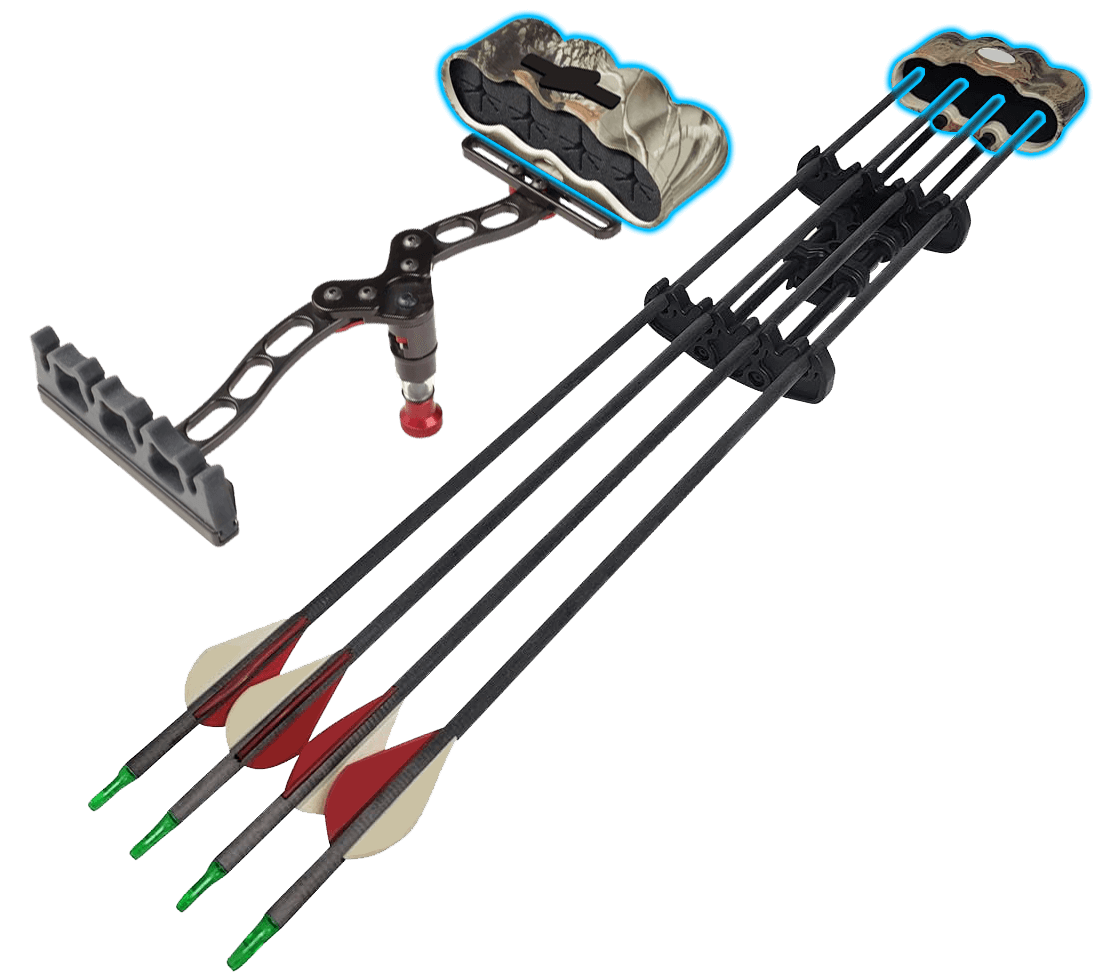
4. Use quivers to shield arrow heads
Use a quiver to shield arrowheads and protect points from damage or accidental contact. Keep arrows secure, fletchings unbent, and tips covered when not nocked. Choose a sturdy, well-fitting quiver for your draw style. Inspect fastenings regularly and store arrows safely to reduce injuries and preserve equipment longevity and maintenance.
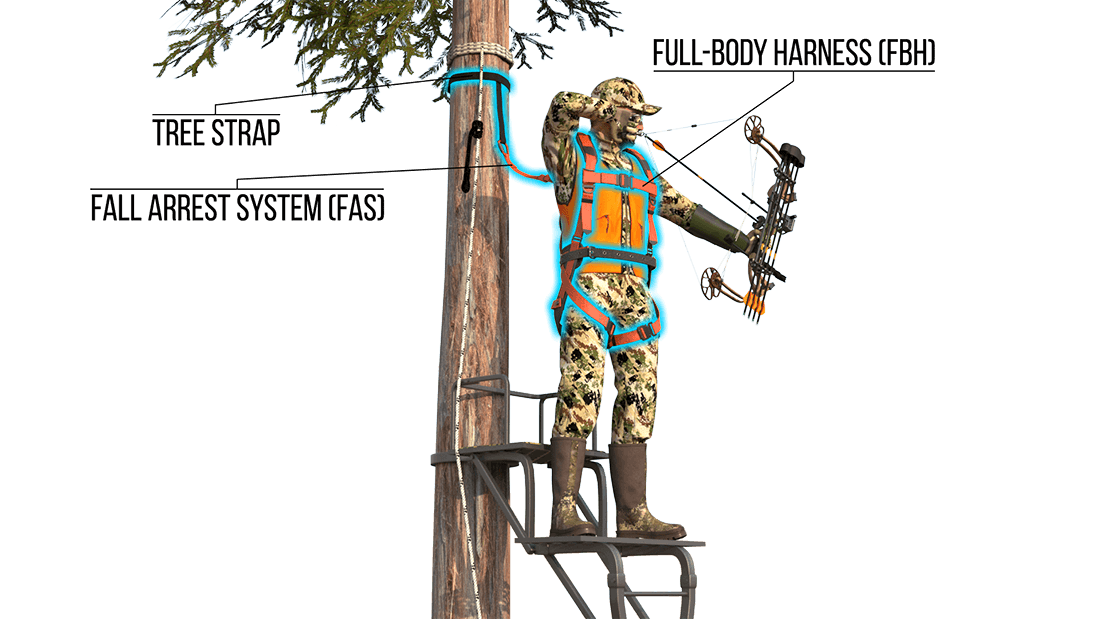
5. Use a body safety harness with a fall arrest system andlifeline when hunting from a tree/elevated stand
Always wear a full-body safety harness with a fall arrest system and lifeline when hunting from an elevated stand. Attach the lifeline before climbing, keep it connected at all times, and ensure all straps are secure. Regularly inspect your harness for wear or damage to prevent falls and serious injuries.
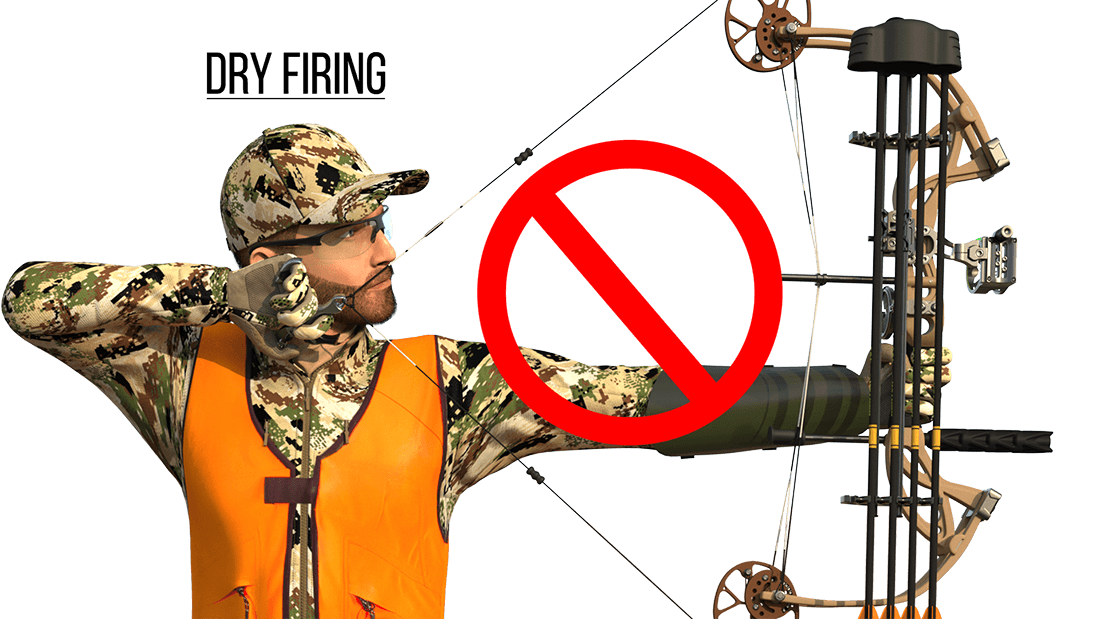
6. Never release the bowstring without a nocked arrow(‘’No Dry Fire Rule’’)
Never release the bowstring without a nocked arrow, known as the “No Dry Fire Rule.” Dry firing can severely damage the bow and cause injury. Always ensure an arrow is properly nocked before drawing. If you need to release tension, carefully let down the string instead of firing empty.
7. Do not shoot an arrow straight up in the air
Never shoot an arrow straight up into the air. It can travel hundreds of feet and return unpredictably, posing serious danger to you and others nearby. Always aim toward a safe target with a proper backstop. Control your shots and follow safe archery practices to prevent injuries and accidents.
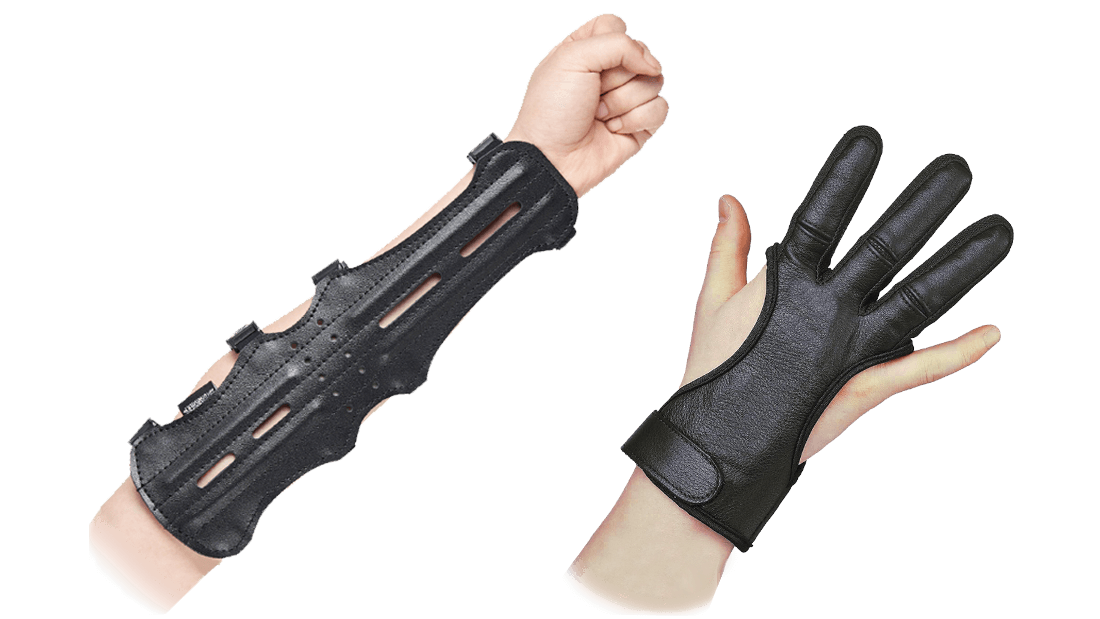
8. Wear an armguard and finger protection
Always wear an armguard and finger protection when shooting. An armguard shields your forearm from the bowstring’s snap, preventing painful welts or bruises. Finger tabs or gloves reduce friction and strain during repeated draws. Proper protective gear improves comfort, accuracy, and safety, allowing for consistent shooting and better overall control.
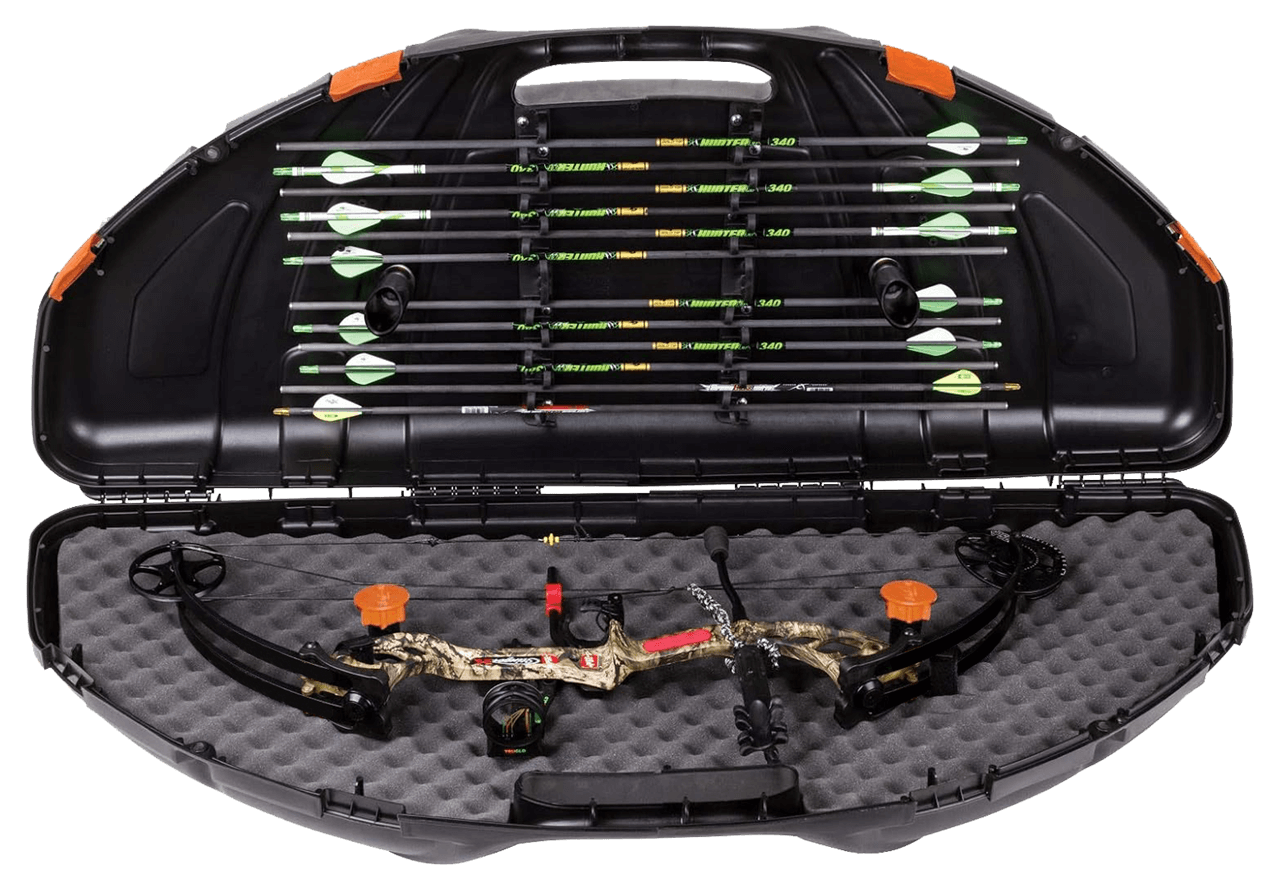
9. Store your bow and arrows in a safe case
Store your bow and arrows in a secure, protective case when not in use. A proper case prevents damage from moisture, impact, or bending. Keep it out of reach of children and away from extreme temperatures. Always unstring traditional bows before storage and inspect equipment before your next shooting session.