Proper methods for anchoring traps
Proper anchoring is necessary for successful and ethical trapping. The choice of anchoring system depends on various factors, including the target species, trap type, and environmental conditions.
Stake anchoring
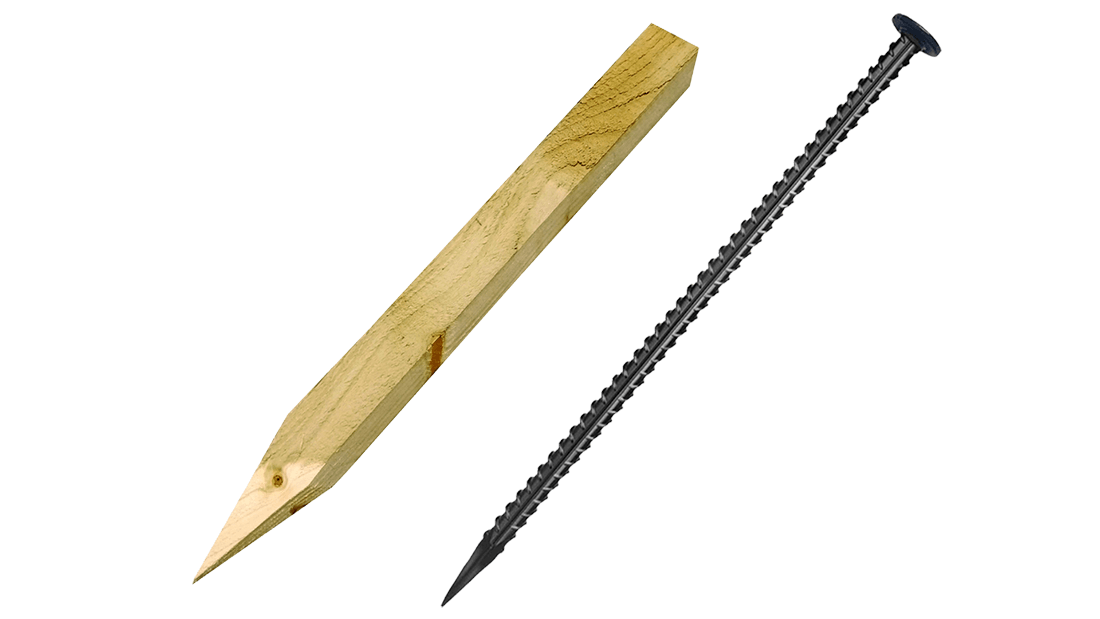
For trap setting, robust stakes must be made of either metal or wood. The selection depends largely on the type of soil at the trapping site. In areas with hard or rocky terrain, metal stakes are preferable due to their superior strength and ability to withstand the force applied by a captured animal attempting to escape.
However, in locations with softer soil, wooden stakes can be equally effective. These stakes offer sufficient strength to secure the trap while being easier to drive into the ground compared to their metal counterparts. This versatility in stake selection allows trappers to adapt to various environmental conditions, ensuring the trap remains securely anchored regardless of the terrain.
An effective method to ensure that a trap is securely set is to drive stakes into the ground at an angle rather than vertically. This angled positioning increases the stake's holding power. When a stake is set at an angle, it creates greater resistance against the pulling force of a captured animal, making it much more difficult to remove.
For larger target species or in areas with loose soil, using multiple stakes is advisable. This approach distributes the force applied by a struggling animal across several points, improving overall stability. It's particularly beneficial in sandy or soft soil conditions where a single stake might prove insufficient.
By implementing these techniques, trappers can greatly improve the reliability of their set-ups, ensuring that traps remain secure even when challenged by strong or large animals in various soil types.
Earth anchors
Earth anchors, also known as duckbill anchors, are invaluable tools for securing traps across various soil types. They excel in situations involving larger target species or in environments where conventional stakes may prove inadequate.
The unique design of these anchors allows them to penetrate the soil and then expand, creating a strong grip that stays in place against being pulled effectively. This characteristic makes earth anchors particularly resilient in challenging terrains, offering trappers a dependable solution for maintaining trap stability in diverse conditions.
To set up an earth anchor, a specialized tool is required for proper insertion into the ground. This initial step is fundamental for ensuring the anchor's effectiveness. Once correctly installed, earth anchors provide a level of security that surpasses traditional staking methods, giving trappers confidence in their set-ups regardless of the environmental challenges they may face.
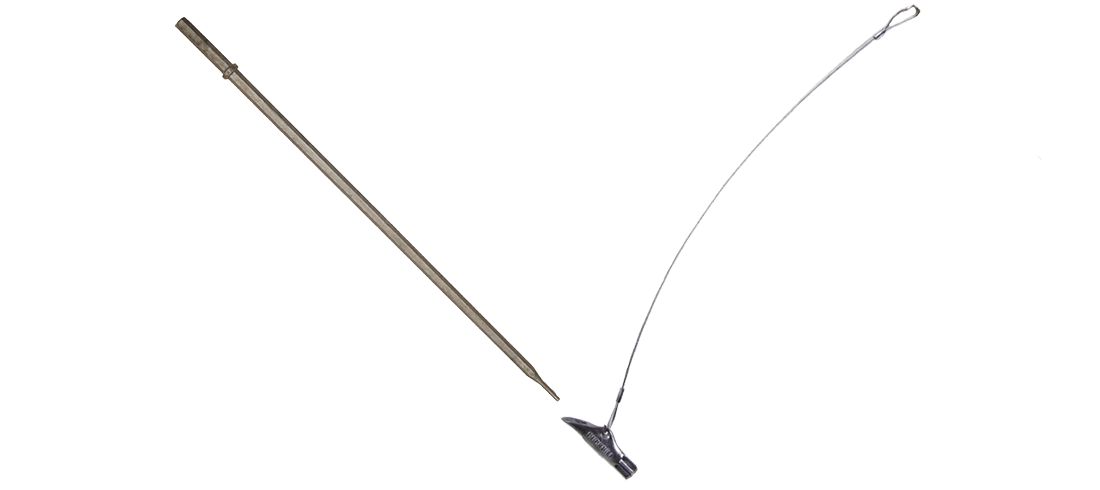
Once the anchor is securely installed, it will rotate when tension is applied. This rotation improves its grip on the soil, establishing a robust hold that keeps your trap firmly in place. As a result, the anchor is capable of withstanding the pulling force applied by any animal that becomes caught, ensuring reliable performance during trapping operations.
Solid object anchoring
In some scenarios, it’s effective to secure traps to fixed objects such as large trees or substantial rocks. This approach is particularly useful in rocky terrains or in areas where conventional anchoring methods may not be possible.
Utilizing these strong and durable natural features ensures that your traps remain securely in place, even when animals attempt to escape. This strategy is a practical solution for trappers operating in challenging environments where traditional anchoring techniques might fall short.
One-way slides
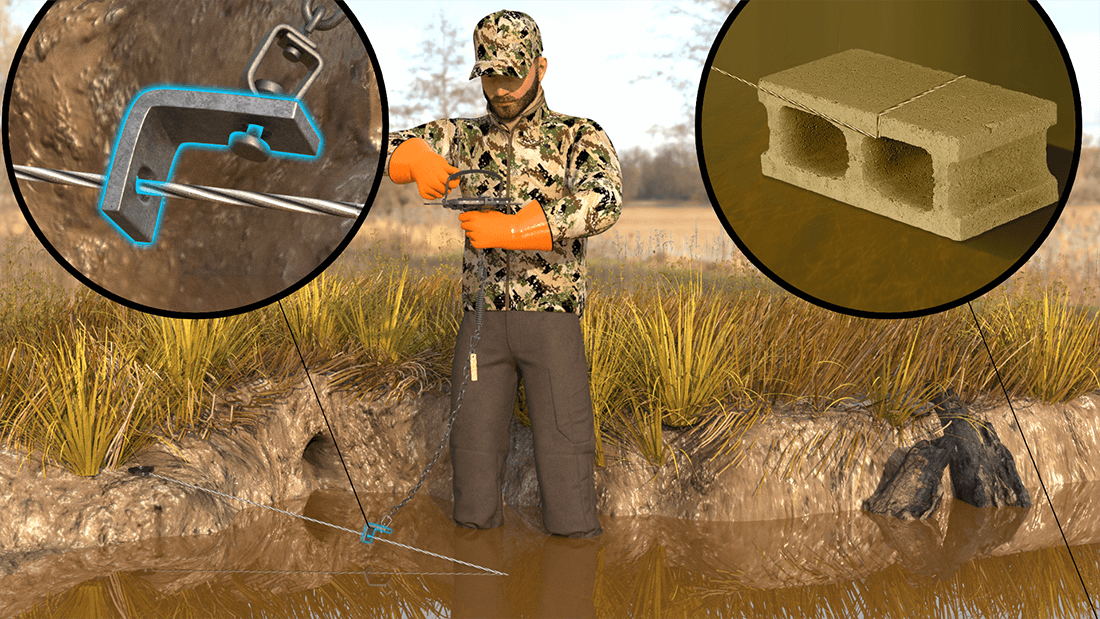
One-way slides are special setups that let trapped animals move in only one direction, usually towards water or a hiding spot. This method is often used for animals that live both on land and in water, like beavers or muskrats. These slides are helpful because
- They allow the animal to reach deeper water, helping to ensure a quick, humane outcome and minimize suffering.
- They reduce the chance of the animal getting hurt by struggling for a long time. By letting the animal move to water or cover, it's less likely to injure itself trying to escape.
Drags and grapples
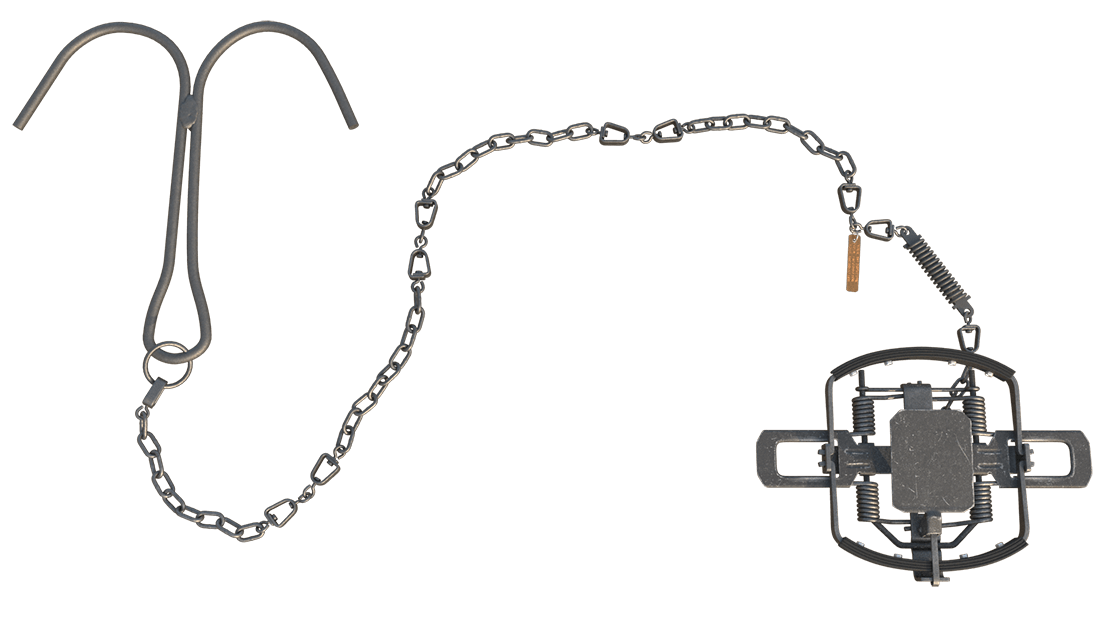
Drags and grapples are special tools that let trapped animals move a little bit, usually to find a hiding spot nearby. This method works well for catching predators like coyotes or bobcats. Here's why it's helpful:
- It lowers the chance of the animal getting hurt from struggling too much. By allowing some movement, the animal is less likely to injure itself trying to escape.
- It makes it easier for trappers to find the caught animal. Most of the time, the animal will move to a hiding place, which trappers can then locate more easily.
Importance of swivels and shock springs
No matter which way you choose to anchor a trap, multiple swivels and shock springs must be used.
Swivels
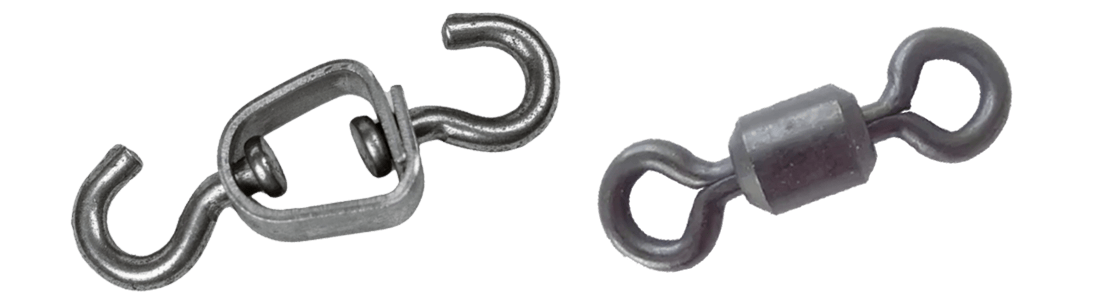
These components rotate freely, preventing the chain or cable from becoming twisted. This feature is necessary as it helps protect the animal from injury while it moves within the trap.
Shock springs
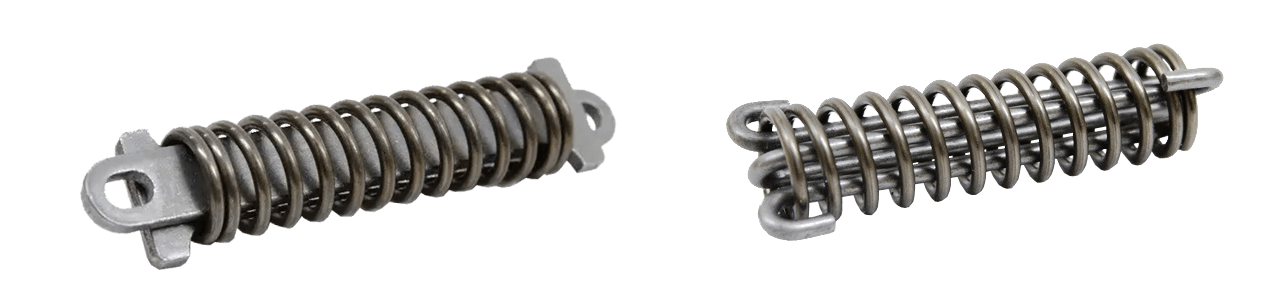
Shock springs are designed to elongate slightly under intense pressure. This feature serves two important functions:
- By absorbing sudden jerks or pulls, these springs decrease the probability of an animal escaping from the trap.
- The shock-absorbing quality of the springs reduces the risk of self-injury when the captured animal strains against the trap.