Identifying furbearer species
Identifying furbearer species
State wildlife agencies categorize animals into distinct groups to facilitate effective management and conservation. These categories typically include:
- Big game (e.g., deer, elk)
- Small game (e.g., rabbits)
- Upland game (e.g., grouse)
- Migratory game birds (e.g., ducks)
- Furbearers (e.g., beavers, foxes)
- Non-game animals
- Endangered, threatened, or special concern species.
While trapping furbearers is often legal, it's subject to specific regulations. Accurate species identification is fundamental for trappers to avoid capturing protected or non-target animals.
Successful trapping requires a deep understanding of furbearer behavior and habitat preferences. Knowledge of their dietary habits, den locations, and movement patterns allows trappers to determine the best trap placement. This expertise not only improves trapping efficiency but also contributes to more effective wildlife management practices.
Game identification
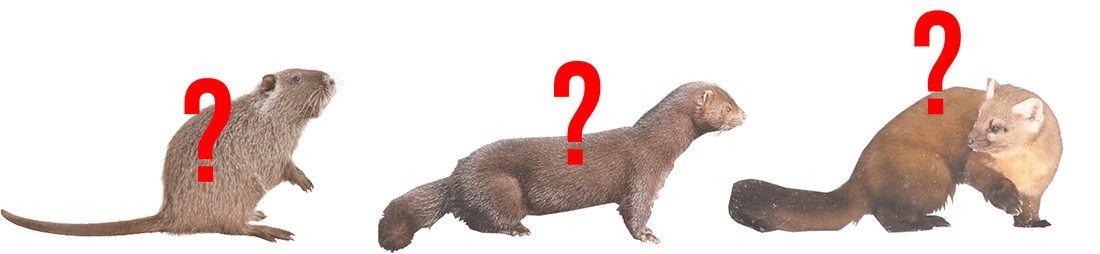
Game identification is an essential part of being a responsible hunter. Properly identifying wildlife species ensures that the hunter does not exceed bag limits or collect non-target species. Game identification is a life-long pursuit. There are many ways to identify different animals. Some distinguishing traits include:
- External features such as wings, feathers, and hide coloration
- Skulls
- Droppings
- Tracks
- Behaviors such as daily activity patterns
- Habitat and range
External features
The size, shape and color are external features that can help us identify an animal.
Skulls
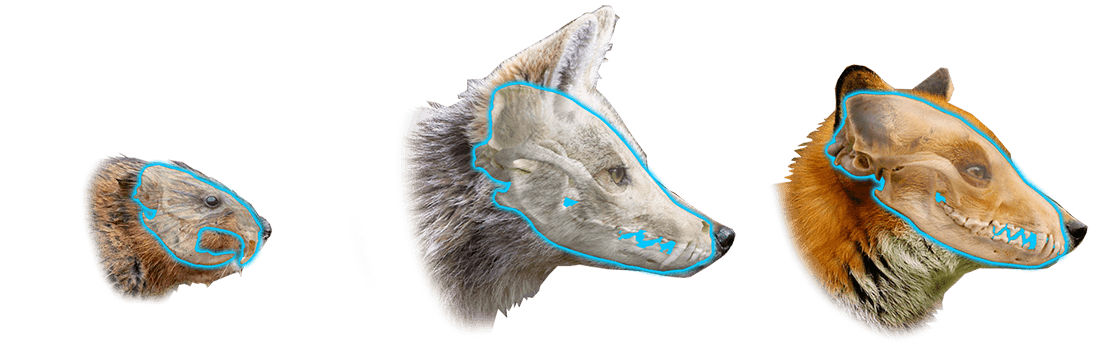
The skulls of many animals have distinguishing characteristics such as crests, tooth types and patterns. Most skulls can be classified as herbivores or carnivores by the absence or presence of canine teeth or the number and type of molars. Carnivores are meat eaters and have well-developed canine teeth. Herbivores eat vegetation and lack well-developed canines. They usually have well-developed molars and incisors.
Droppings
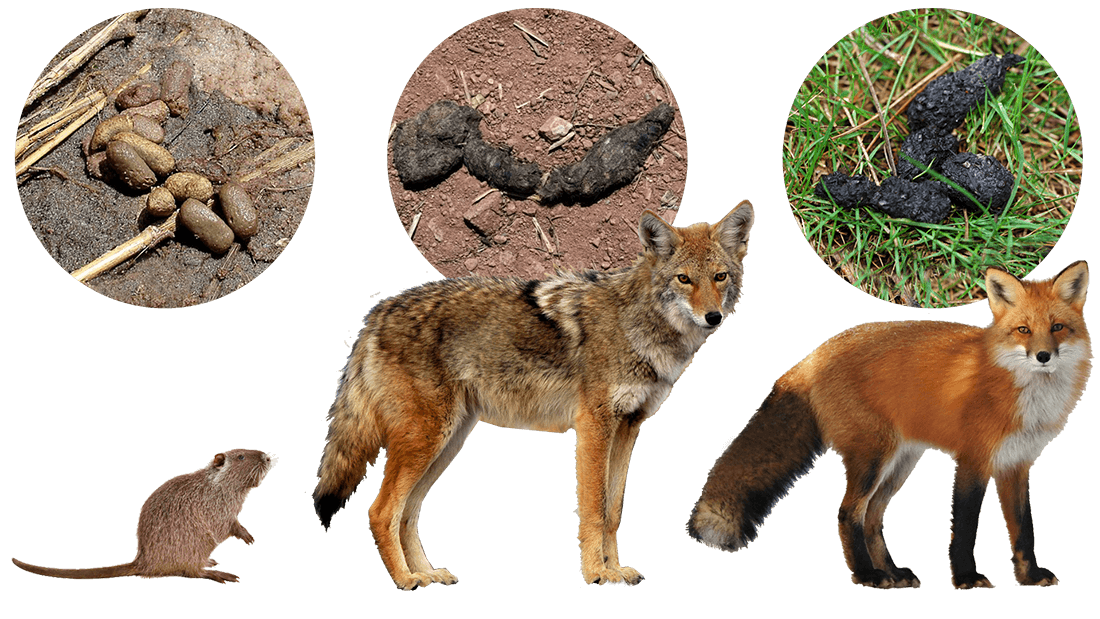
Tracks
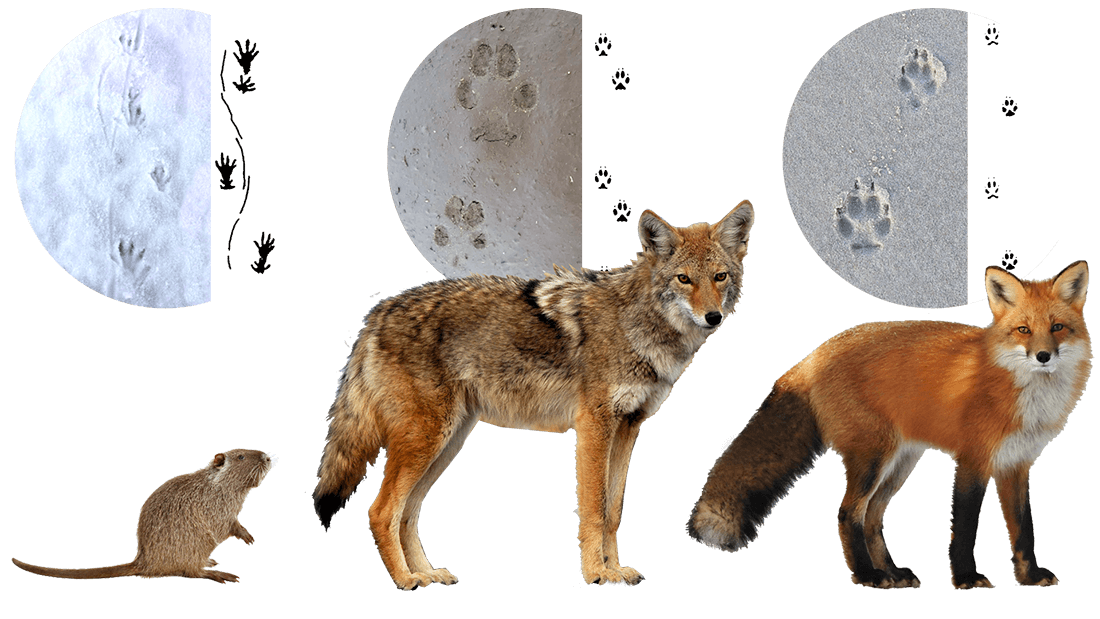
When soil conditions are right, many species can be identified by their track imprint.
Behaviors
Knowing daily activity patterns such as whether the animals are nocturnal, their feeding patterns, or if they are solitary.
