Options to market pelts
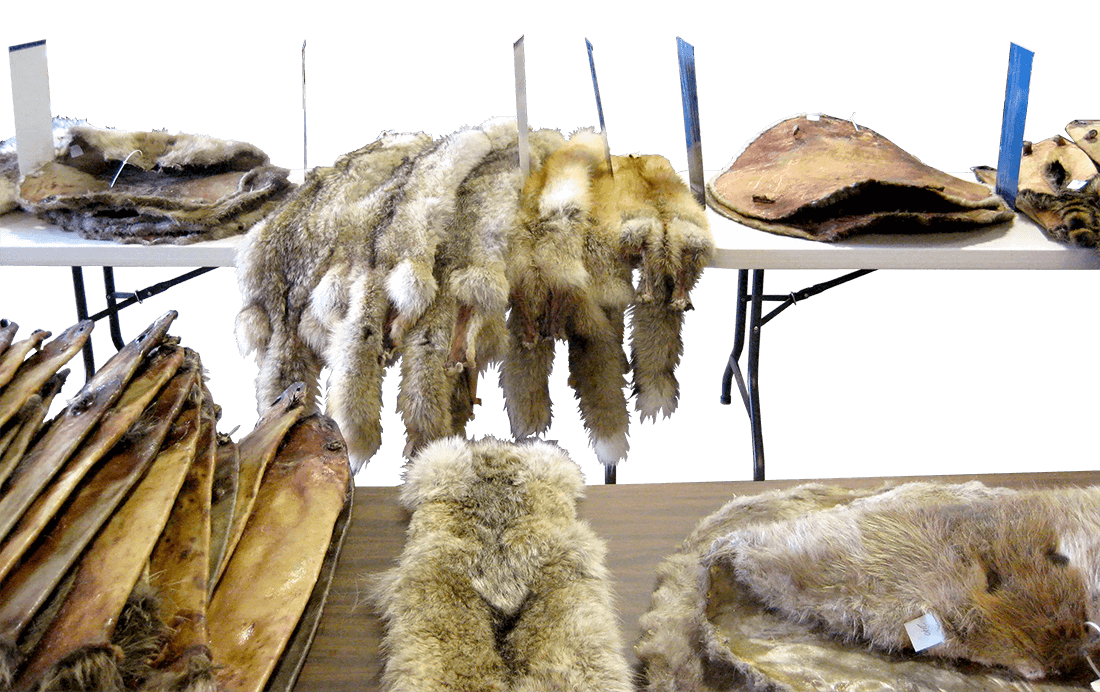
Trappers have various options for selling their pelts, each with its own advantages and disadvantages. Understanding these options can help trappers maximize their profits and adapt to market variations.
Local and traveling fur buyers
Local and traveling fur buyers offer a quick and convenient way for trappers to sell their pelts. These buyers typically visit trapping areas during the season and provide cash payments on the spot. While this method allows for immediate cash flow, the prices offered by the buyers may be lower than other selling options, as buyers need to account for their traveling and processing fees.
Shipping agents
Shipping agents enable trappers to access a broader market, sometimes extending to international buyers. These agents collect pelts from multiple trappers and send them to large auctions, which can result in higher prices. However, trappers must be prepared for delayed payments and potential additional shipping expenses.
Local auctions
Local auctions, often organized by trapping groups, strike a balance between immediate sales and access to larger markets. These auctions attract a diverse array of buyers, including local crafters, small businesses, and fur buyers, encouraging competition that can drive up prices. Some trappers also sell their pelts for taxidermy or to educational institutions, which can yield higher returns for well-prepared pelts, especially those from rare or high-quality animals.
Retail sales
Retail sales can be profitable for trappers willing to invest time in marketing and customer involvement. This approach may involve selling directly to consumers or participating in craft markets. Successful retail sales often require additional skills, such as tanning (preparing the hide) and crafting items from the pelts. Although this method demands more effort, it can result in higher profits per pelt.
