Uses of the non-pelt parts of furbearers
Uses of the non-pelt parts of furbearers
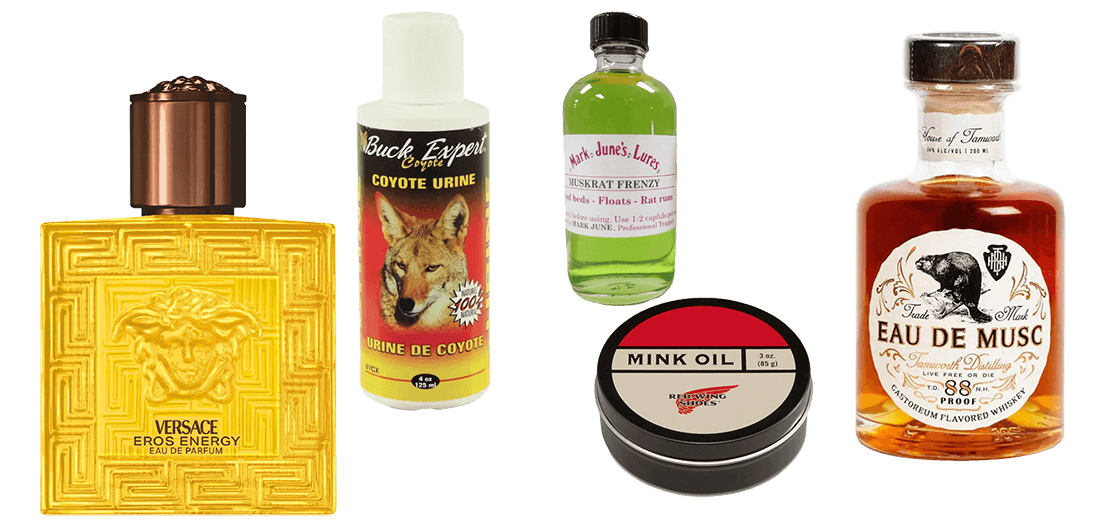
The non-pelt parts of furbearers offer a wide range of uses, demonstrating the principle of utilizing the entire animal. Meat from furbearers like beaver, muskrat, and raccoon serves as a food source for humans. Additionally, furbearer meat is often processed into high-quality pet food, providing a nutritious option for domestic animals.
Trappers frequently use the meat as bait to attract other furbearers, maximizing its utility in the field.
Certain glands from furbearers serve multiple purposes across different industries. For instance, beaver castor glands are valued in the perfume industry for their musky scent, while other gland secretions are used in leather preservation, alternative medicines, and as ingredients in skincare products. These glands, along with other animal parts, are also used to create baits for trapping.
The bones, teeth, and claws of furbearers find applications in arts and crafts. Artisans use these parts to create unique jewelry, decorative items, and educational displays.
Some indigenous cultures incorporate these elements into traditional ceremonial objects. Other non-pelt parts, such as fat and oils, can be processed for use in soaps, lubricants, and traditional medicines. Internal organs may be used in specialized pet foods or as bait. In certain jurisdictions, whole unskinned beaver carcasses can be legally sold as bait or animal food.
By making use of these non-pelt parts, trappers and wildlife managers can maximize the value derived from each collected animal, promoting responsible and ethical use of wildlife resources.
