Furbearer species - Myocastoridae - Leporidae
Myocastoridae - Nutria
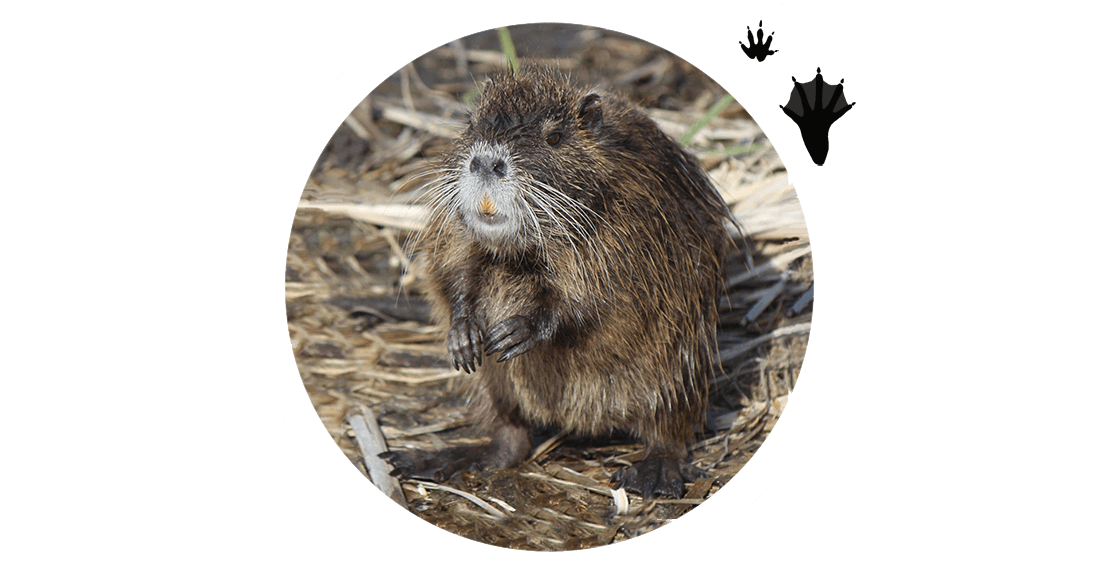
Nutrias are large rodents, about the size of a small dog. They are 17 to 25 inches long, plus a 10 to 16 inch tail. Usually weigh between 15 to 22 pounds. Their fur is dark brown and very thick. They have large, orange front teeth. Nutrias have webbed back feet for swimming. They have a round, scaly tail.
Range and preferred habitats
Nutrias, originally from South America, are now found in North America. They thrive in areas with abundant freshwater, such as marshes, swamps, and rivers. Nutrias prefer habitats with dense vegetation, which provides both food and cover. These semi-aquatic rodents are well adapted to wetland environments, where they can find plenty of plants to eat.
Feeding habits, behaviors, and daily activity patterns
Nutrias are herbivores, primarily feeding on water plants, roots, and bark. Occasionally, they may eat small animals like snails. They are most active during the night and early morning hours. Nutrias are skilled swimmers and can stay submerged for extended periods. They live in social groups, often seen interacting with one another in their wetland habitats.
Tracks, droppings, calls, and other signs
Nutria tracks show webbed back feet and smaller, less webbed front feet. Their droppings are elongated, resembling small logs. Nutrias communicate with a variety of sounds, including whistling and grunting. They often build platforms of vegetation and mud in the water, where they rest or sunbathe.
Leporidae - Hare
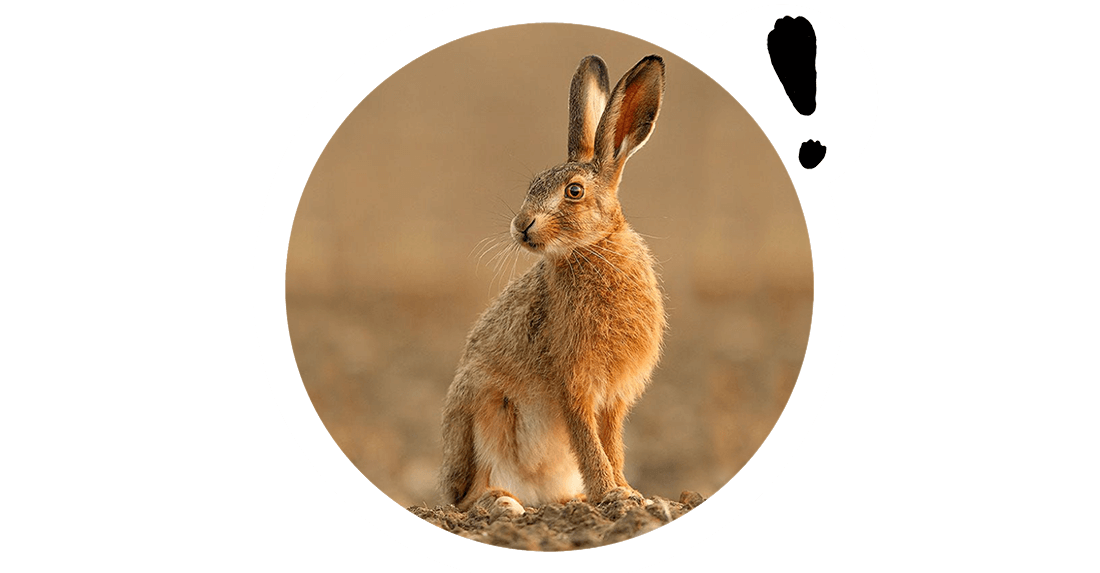
Hares are medium-sized mammals like rabbits but larger and more agile. They typically measure 16 to 28 inches in length, with long, powerful hind legs and ears that can reach up to 4 inches. Hares usually weigh between 6 and 15 pounds, depending on the species. Their fur is thick and varies in color, often a mix of brown, gray, or white, providing excellent camouflage. Unlike rabbits, hares are born fully furred with open eyes, ready to move shortly after birth.
Range and preferred habitats
Hares are found across North America in a wide range of habitats, including grasslands, woodlands, and Tundra. They thrive in open areas with sparse vegetation, which allows them to use their speed and agility to escape predators. Some species, like the Arctic hare, are specially adapted to cold climates, while others prefer temperate regions.
Feeding habits, behaviors, and daily activity patterns
Hares are herbivores, feeding on grasses, shrubs, twigs, and bark. They may also graze on crops, which sometimes brings them into conflict with farmers. Most active during the dawn and dusk hours (crepuscular), hares rely on their sharp senses and powerful legs to detect and evade predators. Unlike rabbits, they do not dig burrows but instead make shallow depressions in the ground called forms where they rest during the day.
Tracks, droppings, calls, and other signs
Hare tracks are distinct, with large hind footprints that often land ahead of the smaller front ones due to their leaping gait. Their droppings are round and pellet-like, typically found in feeding or resting areas. While generally quiet, hares may produce loud screams when frightened or injured. Other signs include well-worn paths in vegetation and flattened forms in grass where they rest.
