Methods for skinning game animals
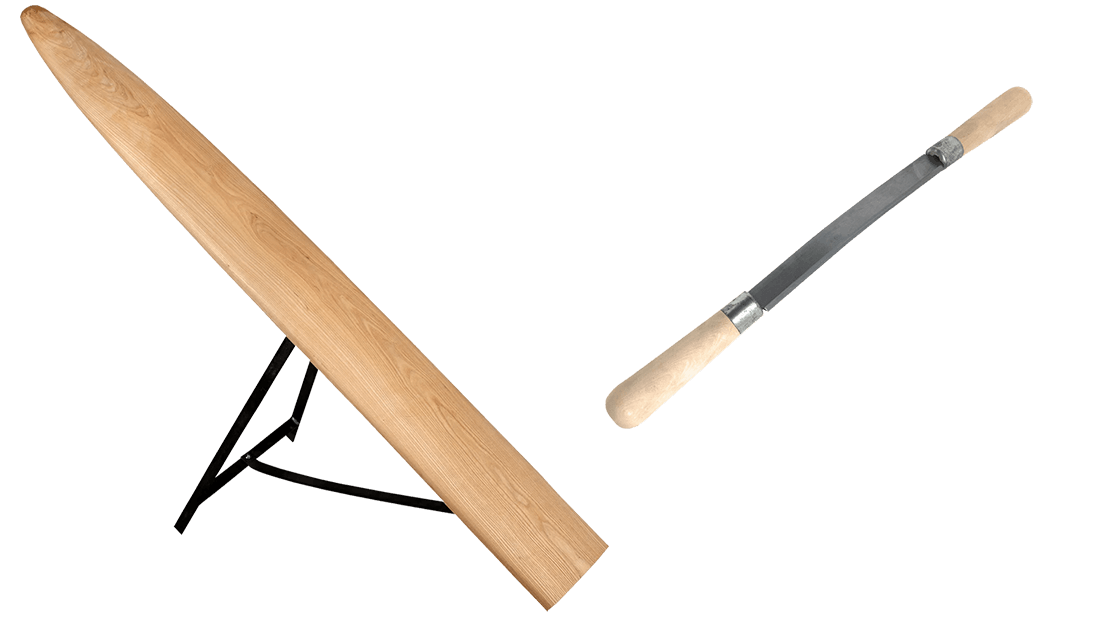
Fleshing is a crucial step in the preparation of animal pelts for preservation. This process involves removing all fat, meat, and connective tissue from the underside of the skin to prevent decomposition and ensure proper drying.
To begin fleshing, trappers typically use a fleshing beam - a smooth, rounded surface that supports the pelt during the process. The pelt is draped over the beam with the fur side down, allowing easy access to the flesh side.
A fleshing knife or specialized tool is then used to carefully scrape away the unwanted tissue. The key is to apply consistent pressure while working from the head towards the tail, following the natural direction of the fur. Be thorough but gentle, as excessive force can damage the hide or expose hair roots, leading to fur loss after tanning.
For fatty pelts, extra care must be taken to remove all grease, as leftover fat can cause grease burns, resulting in fur falling out. Some trappers use sawdust or cornmeal to absorb excess grease during the fleshing process.
Proper fleshing technique requires practice and patience. It is recommended to wear latex gloves for hygiene and use extremely sharp tools for clean, precise work. By mastering this skill, trappers can significantly improve the quality and value of their pelts.
