Preparing animal hides for preservation and use - Stretching
Stretching pelts is an important step in preparing animal hides for preservation and use. The process varies depending on the animal type and desired outcome.
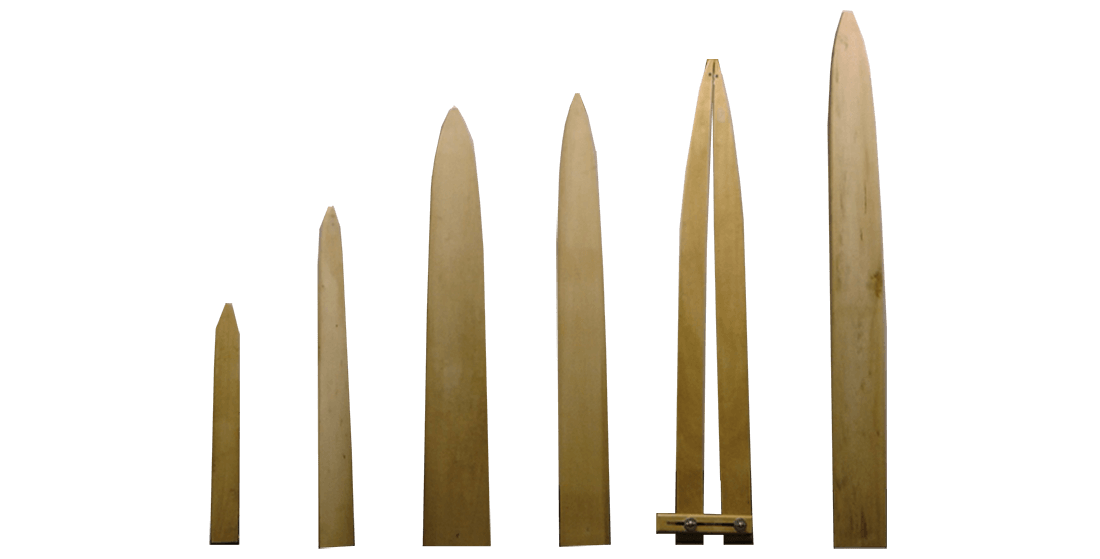
For most furbearers, like foxes, coyotes, and raccoons, use a stretching board or frame. Begin by securing the pelt, fur side facing inward, to the board. Start at the nose and work your way down, ensuring the hide is taut but not overstretched. Pay special attention to the legs and tail areas, carefully stretching them to maintain the pelt's natural shape.
Wood stretching boards
Beaver pelts require a different approach. Use a hoop or oval stretcher, as beavers are typically open-skinned. Stretch the pelt evenly around the frame, securing it with small nails or tacks.
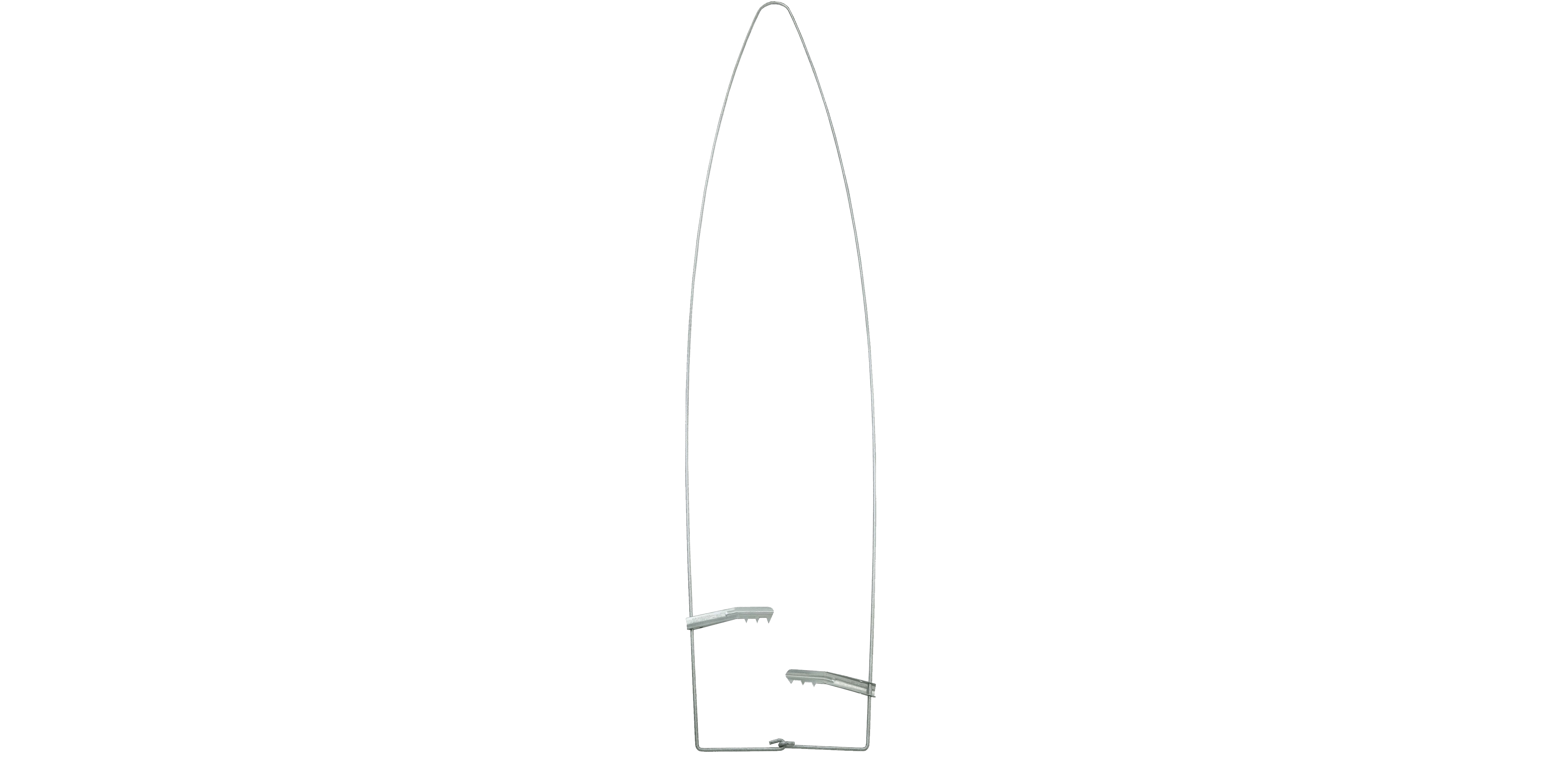
For smaller animals like muskrats and minks, specialized wire stretchers are often used. These allow for easy adjustment and proper shaping of the pelt.
Wire stretching boards
Place stretched pelts in a cool, dry area with good air circulation. Avoid direct sunlight or heat sources, as these can damage the fur or leather.
Remember, proper stretching is essential for maintaining pelt quality and value. By following these practices, trappers can ensure optimal condition of their furs, potentially securing better prices when selling their pelts.
