Storing animal hides for preservation and use
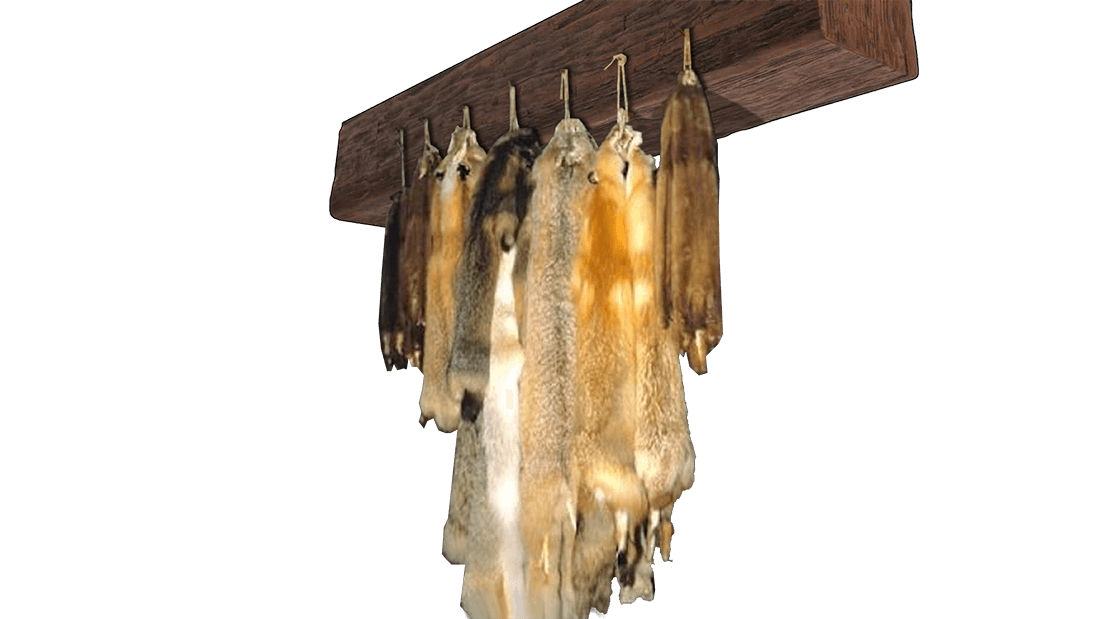
After drying, pelts should be carefully removed from the stretcher and brushed to improve their appearance. Once cleaned, they can be hung by the nose in a cool, dry environment. Proper storage is crucial for preserving the quality of the pelts; they should be kept in areas that are free from direct sunlight and heat sources, as exposure can lead to fading and deterioration of the fur and leather. Additionally, ensuring good air circulation around the pelts helps prevent moisture buildup, which can cause mold or mildew.
Long-term storage
Freezing is recommended for long-term storage because it prevents damage from pests like moths or beetles, and any decomposition, ensuring the pelt remains in good condition. The pelts must be fully dried before freezing. If the pelt is not completely dried, residual moisture can lead to ice crystal formation, which may damage the pelt’s delicate fibers or fur.
Proper freezing techniques are essential to maintain the condition of the leather. When preparing pelts for freezing, it is best to store them flat or loosely rolled to avoid creasing or distortion. Additionally, using paper or cloth separators between the pelts can help prevent freezer burn, which can degrade the quality of the fur and leather over time.
Shipping
When shipping pelts, avoid wrapping them heavily with paper, as this can trap heat and lead to spoilage. Instead, roll the pelts loosely or stack them fur to fur and skin to skin. They can be shipped in a cardboard carton with ventilation holes or in a burlap bag to ensure proper airflow. Before shipping, it’s advisable to check with the buyer's preferred shipping method to ensure following their requirements.
